NASA Seeks Partners for First Lunar Nuclear Reactor
NASA is actively seeking industry partners to design, develop, and test the first nuclear reactor intended for operation on the Moon. This initiative marks a significant advancement in NASA’s strategy to establish a sustained human presence on the lunar surface. The development of this lunar nuclear reactor is a critical step towards enabling long-term lunar missions.
Table of Contents
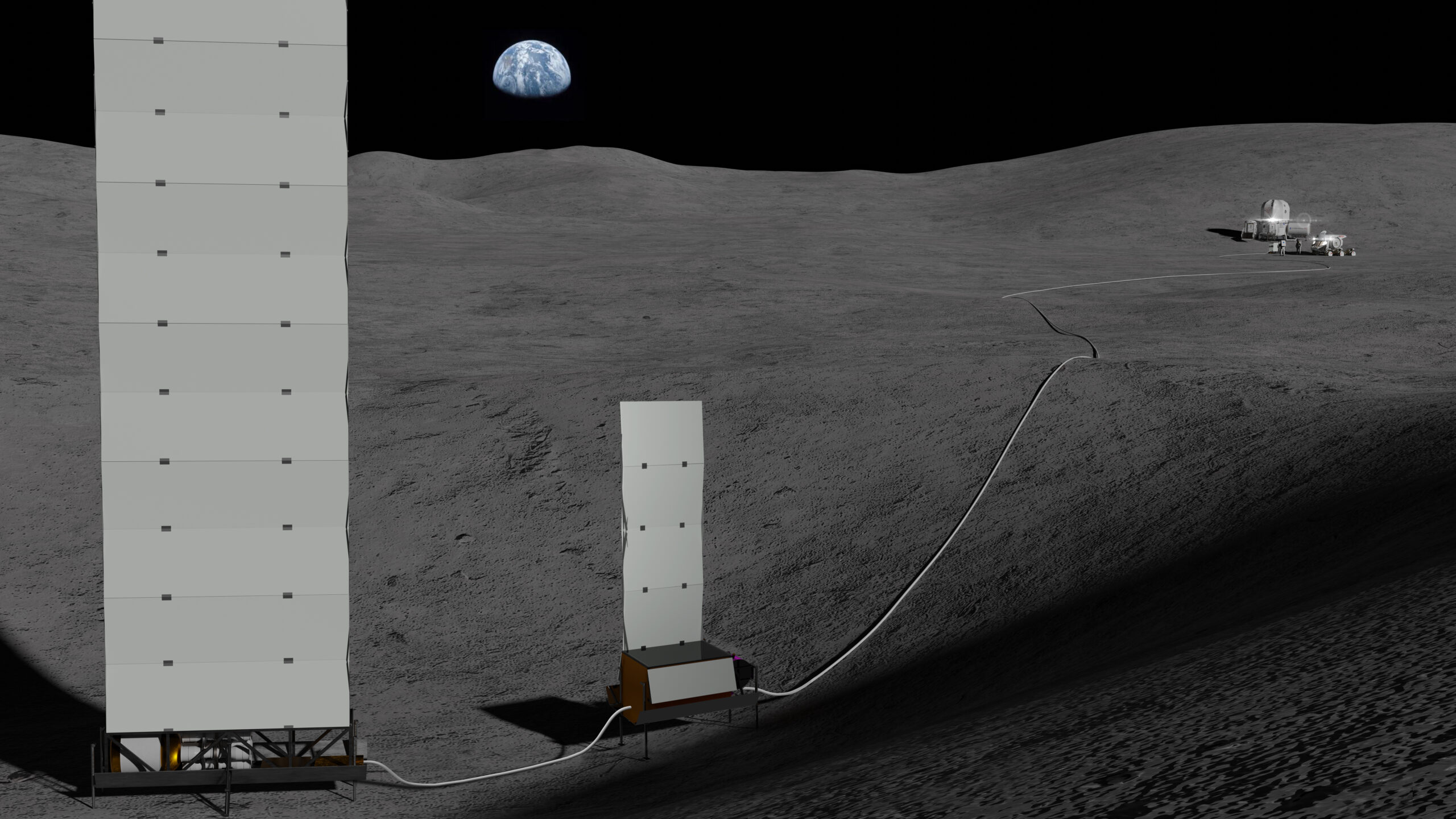
The proposed system, codenamed Lunar Reactor-1 (LR-1), is designed as a compact fission power system capable of generating 20 kilowatts of electrical power. This output is substantial, equivalent to powering approximately 16 average U.S. households annually on Earth. For NASA’s ambitious Moon Base plans, this energy capacity will be essential for supporting future habitats, vital communication networks, autonomous rovers, and a suite of scientific instruments.
Lunar Reactor-1: Powering Future Exploration
NASA’s objective is to have a launch-ready lunar nuclear reactor system by 2030, with plans for it to operate reliably on the Moon for a minimum of five years post-deployment. This timeline underscores the urgency and strategic importance of this project for future space exploration endeavors.
A key advantage of a nuclear reactor over solar power is its continuous energy generation capability. Unlike solar arrays, which are dependent on sunlight and face challenges during the approximately two-week-long lunar nights, a nuclear reactor can provide a consistent power supply. This reliability is paramount for future lunar operations, especially in regions with limited or no direct sunlight, such as polar craters.
Engineering and Safety Mandates
“This request for proposals represents an important step forward as NASA partners with industry to establish an enduring human presence on the lunar surface,” stated Brian Giblin, NASA’s Lunar Reactor-1 program manager. “A reliable source of safe and abundant energy will be vital to future exploration of the lunar and Martian surface. Space nuclear systems will provide continuous power to NASA assets in any environment without dependency on sunlight.”
The Space Power and Reactor Capabilities Request for Proposals, managed by NASA’s Space Reactors Division in conjunction with the Department of Energy (DOE), incorporates extensive feedback from industry stakeholders. This includes input gathered after the agency released a draft proposal in August and hosted an industry day in September. A critical requirement stipulated in the solicitation is that the reactor must adhere to Department of Energy safety standards for nuclear operations.
Advancing Space Nuclear Propulsion
While the primary focus of the current Request for Proposals is the advancement of the LR-1 technology, testing, and flight design, NASA may issue additional task orders. These could support the development of other critical space nuclear power systems. Proposals from interested industry partners are due by December 21st.
Nuclear power is poised to become increasingly indispensable for NASA’s long-term space exploration ambitions. The challenges posed by long lunar nights, potential dust storms on Mars that can obscure sunlight for months, and the diminishing effectiveness of solar power in deeper space environments highlight the necessity of a robust and reliable energy source. Nuclear systems offer precisely this capability.
The LR-1 program is a collaborative effort between NASA’s Space Reactors Division and the Department of Energy. This division is also spearheading the development of NASA’s Space Reactor-1 (SR-1) Freedom. Scheduled for launch in 2028, SR-1 Freedom will not only deliver three SkyFall helicopters to Mars but also demonstrate nuclear electric propulsion. This advanced propulsion method utilizes electricity generated by a nuclear reactor to power spacecraft, potentially enabling faster and more extensive deep space missions than currently possible with conventional propulsion systems.
Field Readiness and Future Verdict
The combined efforts on LR-1 and SR-1 Freedom are instrumental in advancing nuclear power and propulsion technologies. These developments are paving the way for a new era of space exploration, pushing the boundaries of what is achievable. By investing in these cutting-edge technologies, NASA and the DOE are reinforcing America’s leadership in space for the foreseeable future.
The development of a reliable lunar nuclear reactor like LR-1 is a foundational element for establishing permanent off-world settlements. Such systems could also power future advancements in areas like advanced robotics for resource extraction or scientific research stations. The successful deployment of this lunar nuclear reactor will be a testament to human ingenuity and our drive to explore the cosmos.

This initiative also highlights the growing synergy between terrestrial and space-based technological advancements. Innovations in power systems, much like those seen in advancements for swimming pool automation using controllers like the ESP32-S3 to unlock smart maintenance, demonstrate how sophisticated control and power management are becoming integral across diverse applications. The principles applied in developing a robust lunar nuclear reactor will undoubtedly influence future terrestrial energy solutions.
The successful implementation of this lunar nuclear reactor will unlock unprecedented capabilities for scientific discovery and human expansion beyond Earth. It represents a critical leap towards making long-duration space missions, including potential Mars colonization, a tangible reality. The ongoing development signifies a commitment to overcoming the unique challenges of extraterrestrial environments through technological innovation.
The stringent safety requirements and the need for robust, long-lasting operation underscore the complex engineering challenges. However, the potential rewards—continuous power for lunar bases, enabling deeper space exploration, and fostering technological advancements—make the pursuit of this lunar nuclear reactor a vital endeavor for NASA and the global scientific community.
The strategic importance of securing a consistent and powerful energy source cannot be overstated. As NASA pushes further into the solar system, technologies like the lunar nuclear reactor will become indispensable tools for survival and progress. This project is a cornerstone for future human endeavors in space.
The ability to generate significant power independently of solar conditions is crucial for establishing a self-sufficient presence on the Moon. This lunar nuclear reactor project is a testament to NASA’s forward-thinking approach to space exploration and colonization.
Source: NASA Technology