Russian Military Logistics Ship Suffers Drone Strike in Benghazi Port
A suspected drone attack has led to a significant explosion aboard a Russian military logistics ship while it was docked at Benghazi Port in eastern Libya. The incident, which occurred on Sunday, has raised serious concerns about maritime security and the escalating geopolitical tensions in the region. Preliminary investigations by Libya’s eastern-based government point towards a drone strike as the cause of the blast.
Table of Contents
The vessel had reportedly made a stop at Benghazi to refuel and resupply its provisions as part of maritime cooperation agreements between Russia and Libya. While the full extent of the damage and the specific nature of the military logistics it was carrying remain unclear, the attack underscores the vulnerability of even military-affiliated shipping to asymmetric threats.
Explosion Details and Initial Response
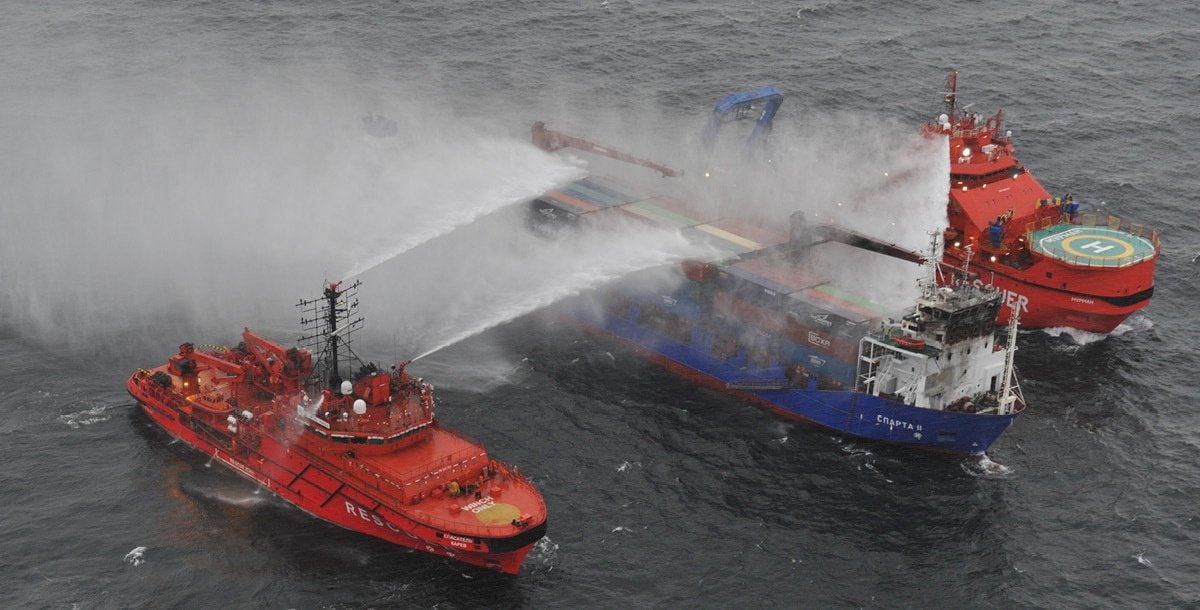
The explosion caused a substantial fire onboard the Russian ship, which continued to burn through the night despite ongoing efforts to extinguish it. Medical sources indicated that while no fatalities were reported, there were injuries among the crew. The exact number and nationalities of those injured have not yet been disclosed.
Libyan authorities have assured that port and naval base facilities, including nearby warehouses, were not compromised and remain secure. They stated that normal operations would resume once the fire is fully controlled and the site is secured. The eastern-based government strongly condemned the suspected attack, terming it a violation of Libyan sovereignty and a direct threat to maritime safety.
Geopolitical Implications and Maritime Security
This incident is the latest in a series of maritime security concerns involving Russian vessels. The attack on the Russian military logistics ship highlights the complex geopolitical landscape and the potential for such incidents to escalate international conflicts. Libya’s government has vowed to pursue legal and diplomatic measures against those responsible, emphasizing that it will not permit its ports or waters to be used as a theater for international disputes.
The lack of immediate reaction from Russian authorities and the absence of any group claiming responsibility add layers of uncertainty to the situation. Such attacks can have cascading effects on supply chain stability, particularly for military operations. For insights into broader port security initiatives, the Port Security Deal Unlocks Supply Chain Stability article offers relevant context on safeguarding critical maritime infrastructure.
Technological Underpinnings and Vulnerabilities
While the specific drone technology used in the attack has not been identified, such incidents often involve commercially available or modified unmanned aerial vehicles. The increasing sophistication and accessibility of drone technology present a growing challenge for military and civilian maritime security. This is a concern echoed in discussions around advanced hardware, where innovations like custom firmware can unlock new capabilities, as seen with the CMU200 Custom Firmware Unlocks 5x Features.

The incident serves as a stark reminder of the evolving nature of warfare and the critical need for robust defense mechanisms against aerial threats in maritime environments. Ensuring the security of critical infrastructure, including ports and shipping lanes, remains a paramount concern for global stability.
Field Readiness and Future Outlook
The successful execution of a drone attack on a vessel docked in a port raises questions about the effectiveness of current security protocols. The response and investigation will likely inform future strategies for protecting naval and logistical assets. The incident underscores the persistent threat posed by unmanned systems in modern conflict zones.
Moving forward, enhanced surveillance, counter-drone technologies, and international cooperation will be crucial in mitigating such risks. The ability to detect and neutralize aerial threats rapidly is essential for maintaining the safety and security of maritime operations worldwide. This event also highlights the broader challenges in securing complex logistical networks, a topic relevant to advancements in areas like industrial robotics and automated systems.
© Copyright Thomson Reuters 2026. Source